Image Distill
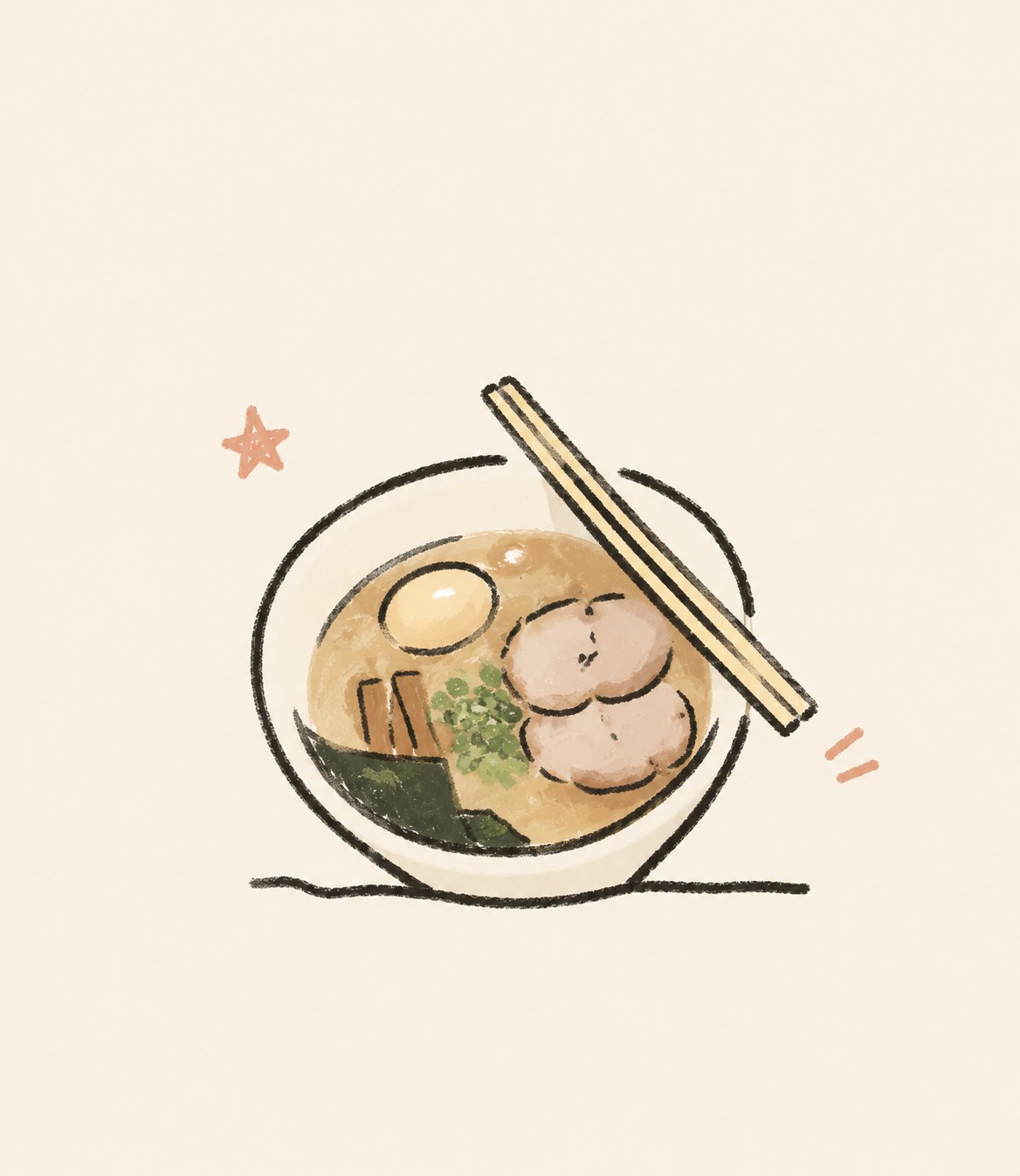
Crayon vignette
One small crayon drawing floating in a lot of cream
- Ratio
- Original, 3:4, 4:5, 1:1, 9:16, 4:3, 16:9 or 2.35:1
- Options
- None
- Origin
- Distilled from an open-source GitHub skill · YuuZhen/restrained-hand-drawn-illustration
- GitHub skill
- Install for Codex ↗
Each generation costs credits — see your balance in My space.
Create with this styleSamples
Real generations, not mockups.
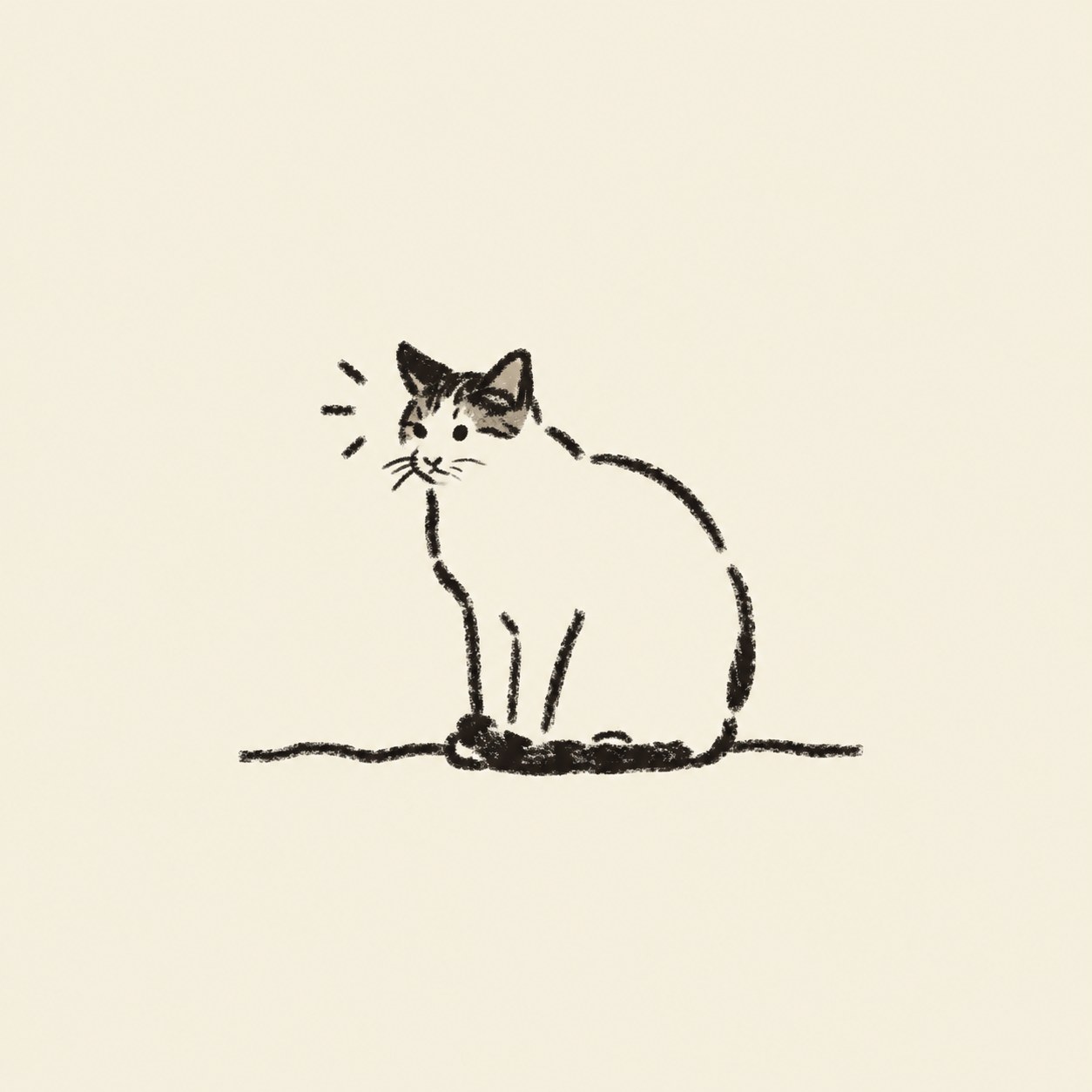
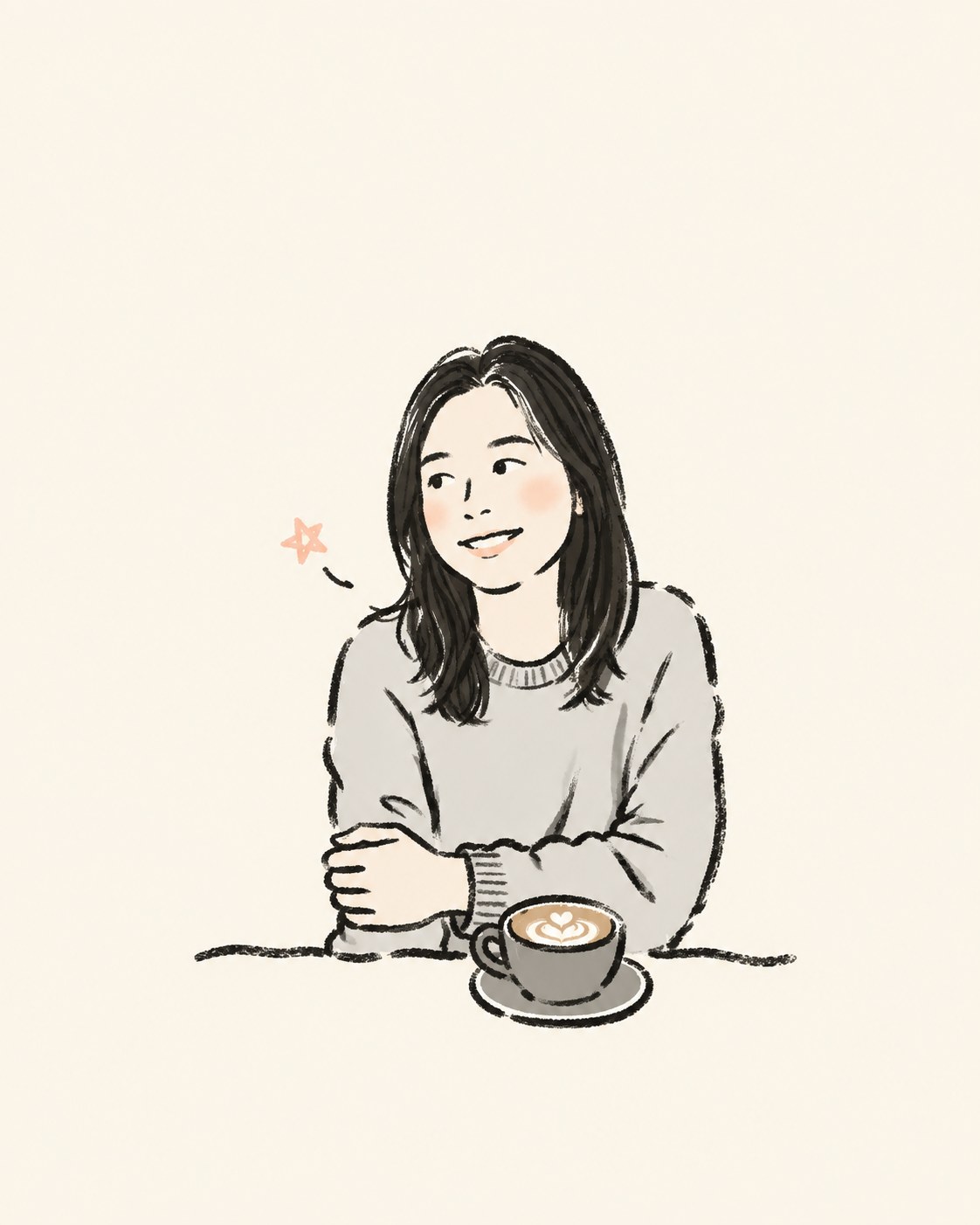
Where this style came from
Distilled from an open-source skill for restrained hand-drawn illustration. The upstream repository was unusually complete — the skill file plus four reference documents and nine official example images — which meant we could check our compression against what the author actually intended rather than guessing.
Two rules in the original turned out to carry the style, and both are about restraint rather than technique.
The first is the coverage number. The drawing occupies 20–45% of the frame and no more. Every failure mode of hand-drawn styles — busy, cluttered, clip-arty — is a coverage problem before it is a drawing problem, and capping the area fixes most of them without saying anything about how to draw.
The second is the open-contour rule: leave one to three deliberate gaps on each subject where an edge turns away, and never seal a form into a closed outline. That is the difference between a crayon drawing and a sticker. It is also the rule models most want to break, because closing a shape is what training rewards.
Our own additions were mostly quantification — the 2:1 to 3:1 line-width variation, the under-12% accent coverage — plus the pressure-path description for strokes, because “crayon-like” on its own produces a uniform stamped line that reads as vector art with texture applied.
What is in the prompt
- What it keeps
- It finds the main subject and one small playful action actually present in the photo, then draws only that. Incidental background, scenery and photographic scale are all dropped.
- Negative space
- The drawing occupies only 20–45% of the frame. The remaining 55–80% is calm warm cream ground. It sits on a short wobbly baseline in the lower third, or floats near the centre.
- The crayon line
- A broad deep-charcoal contour with visibly variable width — about 2:1 to 3:1 — and grainy, hand-pressed edges. Every stroke has a pressure path: light touch-down, fuller middle, lifted release.
- Open contours
- One to three intentional gaps are left on each subject where an edge turns away. Forms are never sealed into closed cartoon outlines — that single rule is most of the difference between this and clip art.
- Colour
- Flat fills only, and at most one muted accent colour covering under 12% of the frame. None at all is also acceptable. No gradients, no shading, no hatching.
- Faces
- People and objects reduce to warm, awkward, recognisable silhouettes. A face needs only dots, a tiny nose, a mouth — or no face at all.
- What it refuses
- No grand scene, cityscape, elaborate background or poster-scale subject. No text, lettering, logos or watermark anywhere. No polished vector art, no photorealism, no 3D.
The full production prompt is built into generation and is not published.
Take the prompt with you
A distilled public version of this style. Paste it into any image model and swap {subject} for your own scene.
A compact hand-drawn crayon vignette of {subject}, occupying only 20-45% of the frame with the rest calm negative space on a warm pale cream ground. Broad deep-charcoal crayon contour with visibly variable width and softly grainy hand-pressed edges; every stroke tapers in and lifts out like real hand pressure; leave one or two intentional gaps in the outline instead of sealing every form. Reduce the subject to a warm, awkward, recognisable silhouette — faces are just dots and a tiny mouth, or no face at all — standing on a short wobbly baseline with at most two tiny supporting marks such as a star or a motion dash. Flat fills only, with at most one muted peach accent. No text, no background scene, no polished vector look, no photorealism.
Example subject: a small kid chasing pigeons across a plaza
Good for / not for
Works well
- Pets doing something specific
- One person and one object, interacting
- Small everyday moments rather than views
- Photos where you can name the action in three words
Not this one
- Landscapes and cityscapes — it will throw the scenery away
- Group photos
- Photos where the interest is the setting, not the subject
- Anything you want rendered in full
Common questions
Why did it delete my background?
By design. This style extracts one subject and one action and draws only that, leaving 55–80% of the frame as bare cream. If you want the whole scene kept, use the sunlit travel sketch instead.
Can I add a caption?
No — the prompt bans text, lettering, logos and watermarks anywhere in the image. The empty space is the point, and words fill it.