Image Distill
Alt-comic redraw
Flat minimalist comic with one deadpan line
- Ratio
- Original, 3:4, 4:5, 1:1, 9:16, 4:3, 16:9 or 2.35:1
- Options
- None
- Origin
- Distilled from an open-source skill · RedSkill · alt-comic-redraw@1.0.0
- GitHub skill
- Install for Codex ↗
Each generation costs credits — see your balance in My space.
Create with this styleSamples
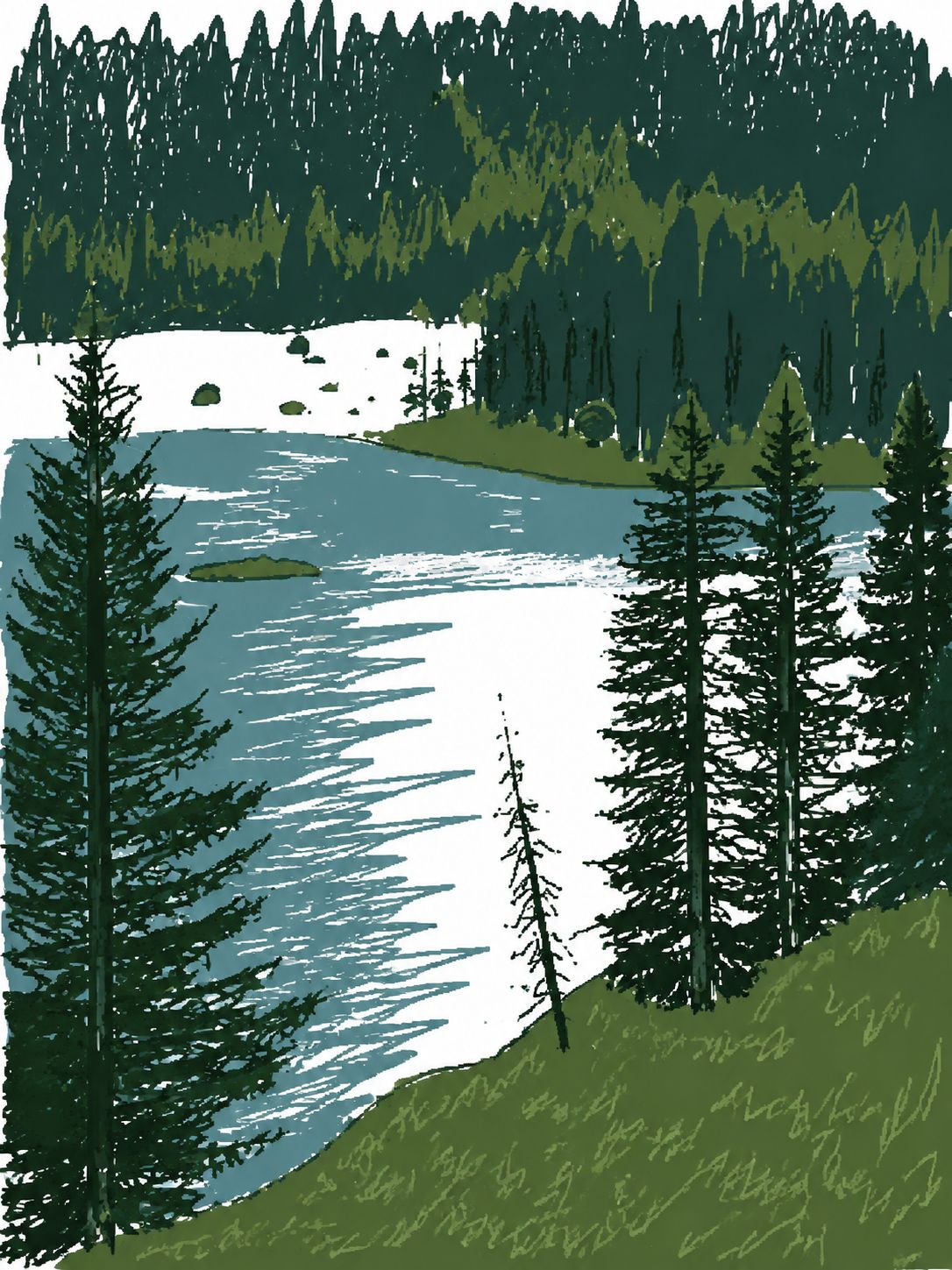
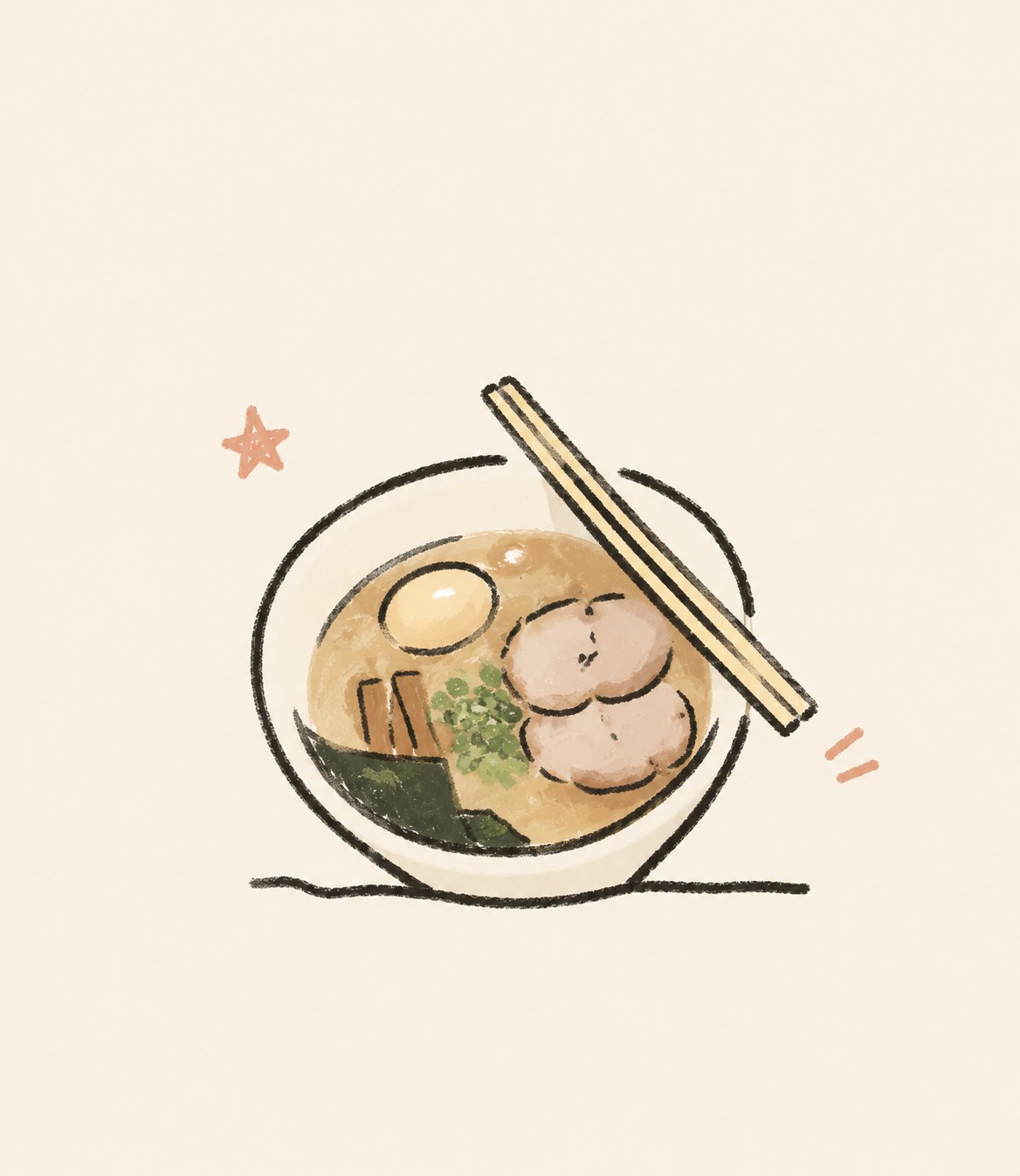
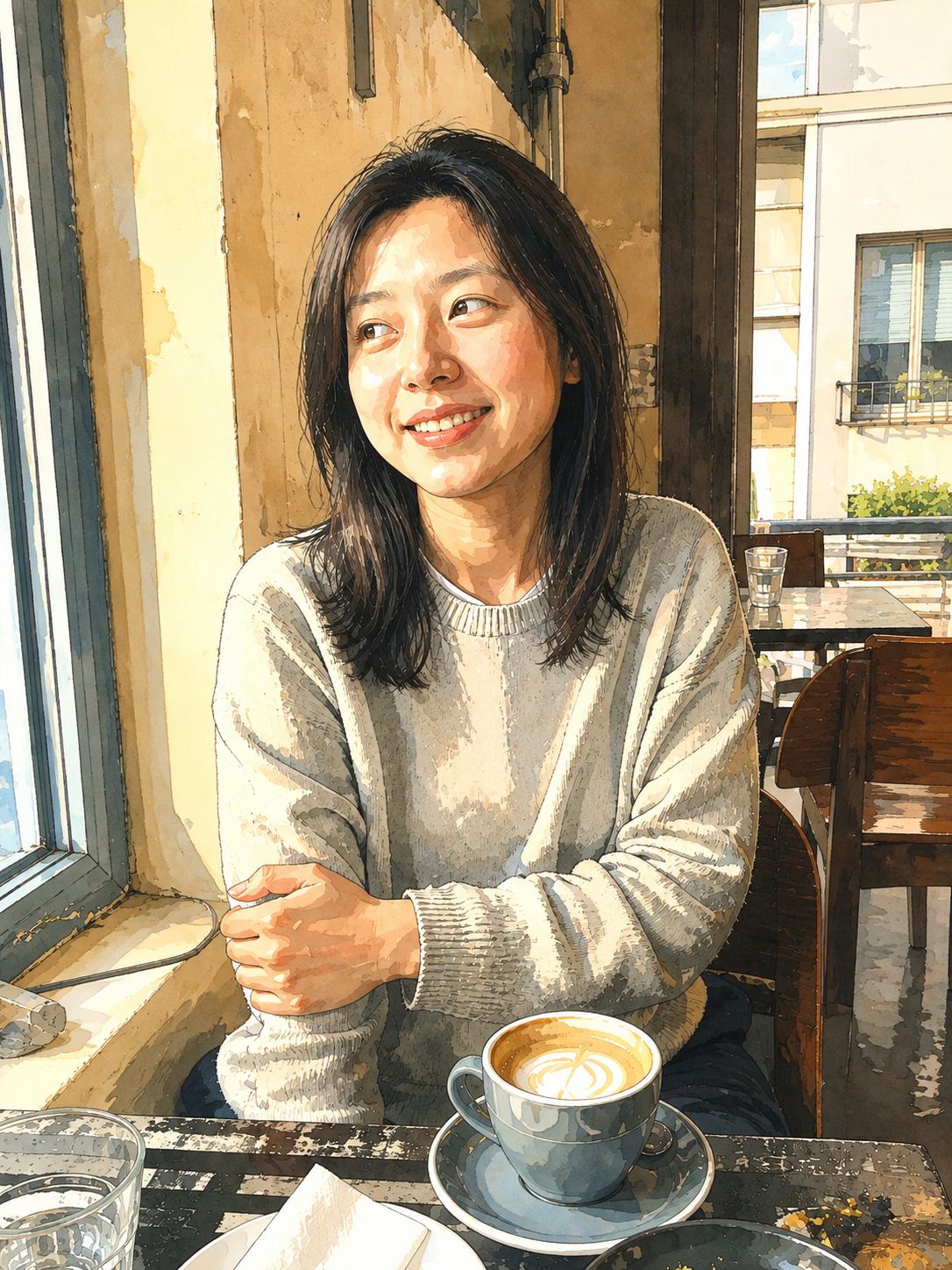
Real generations, not mockups.
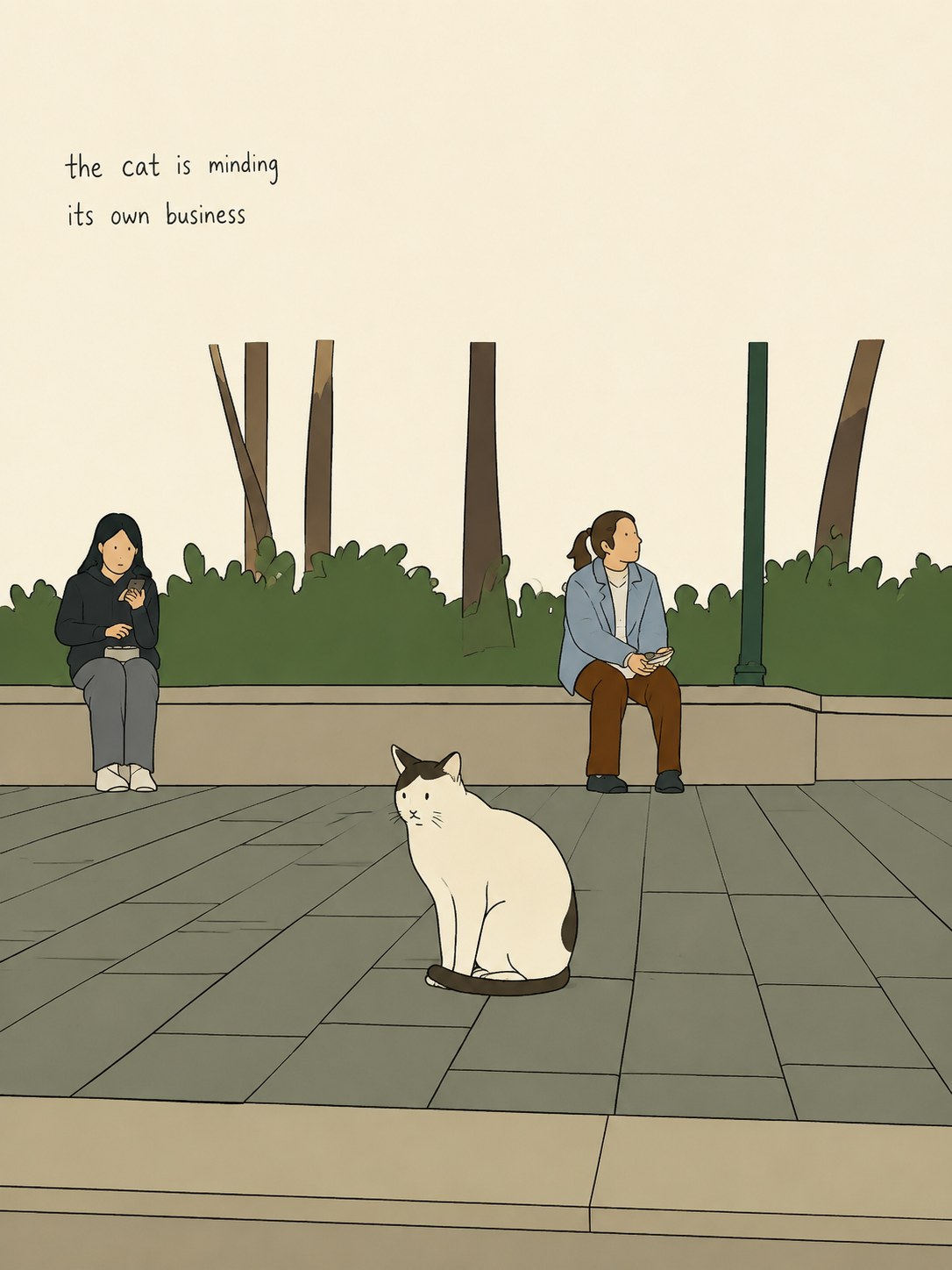
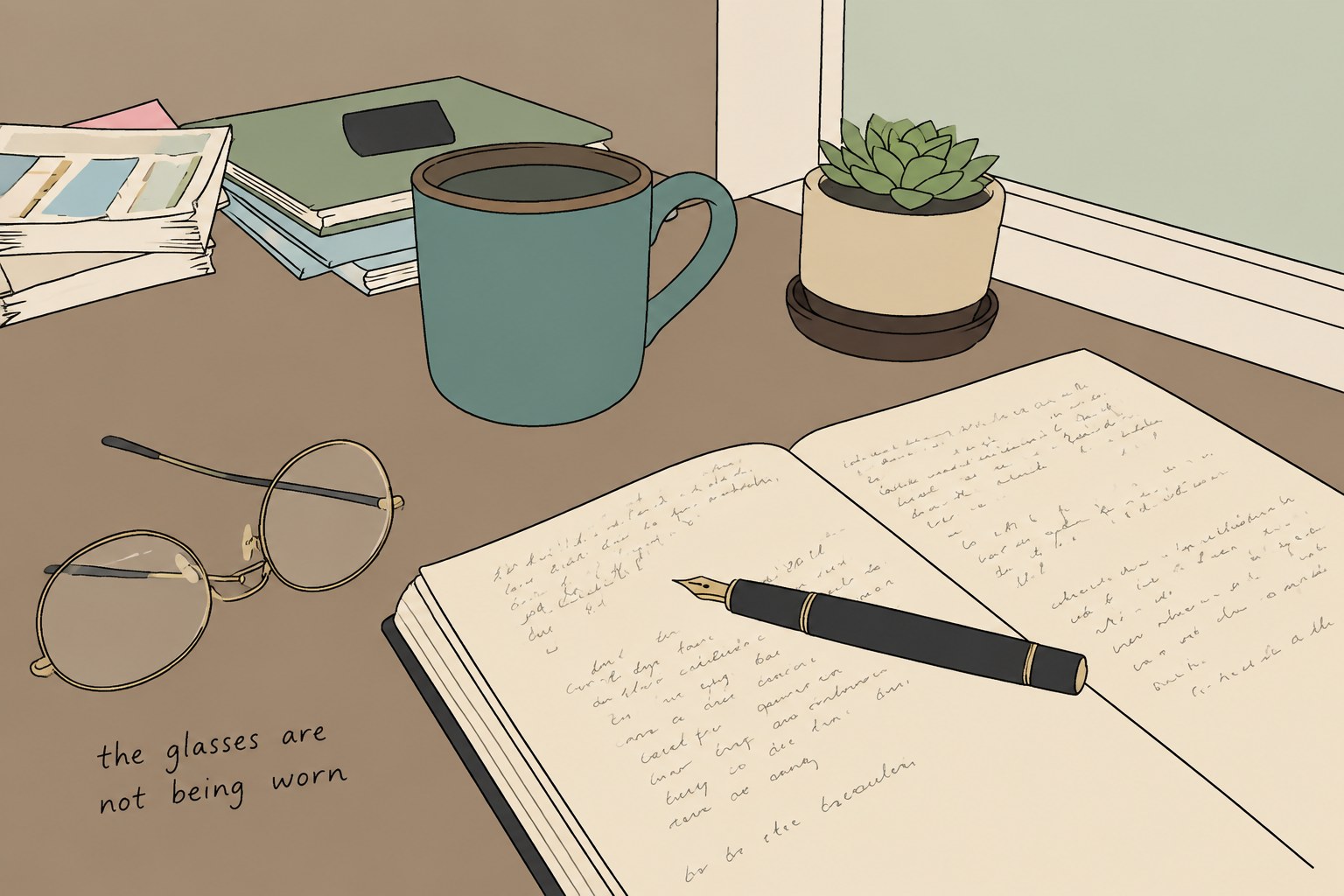
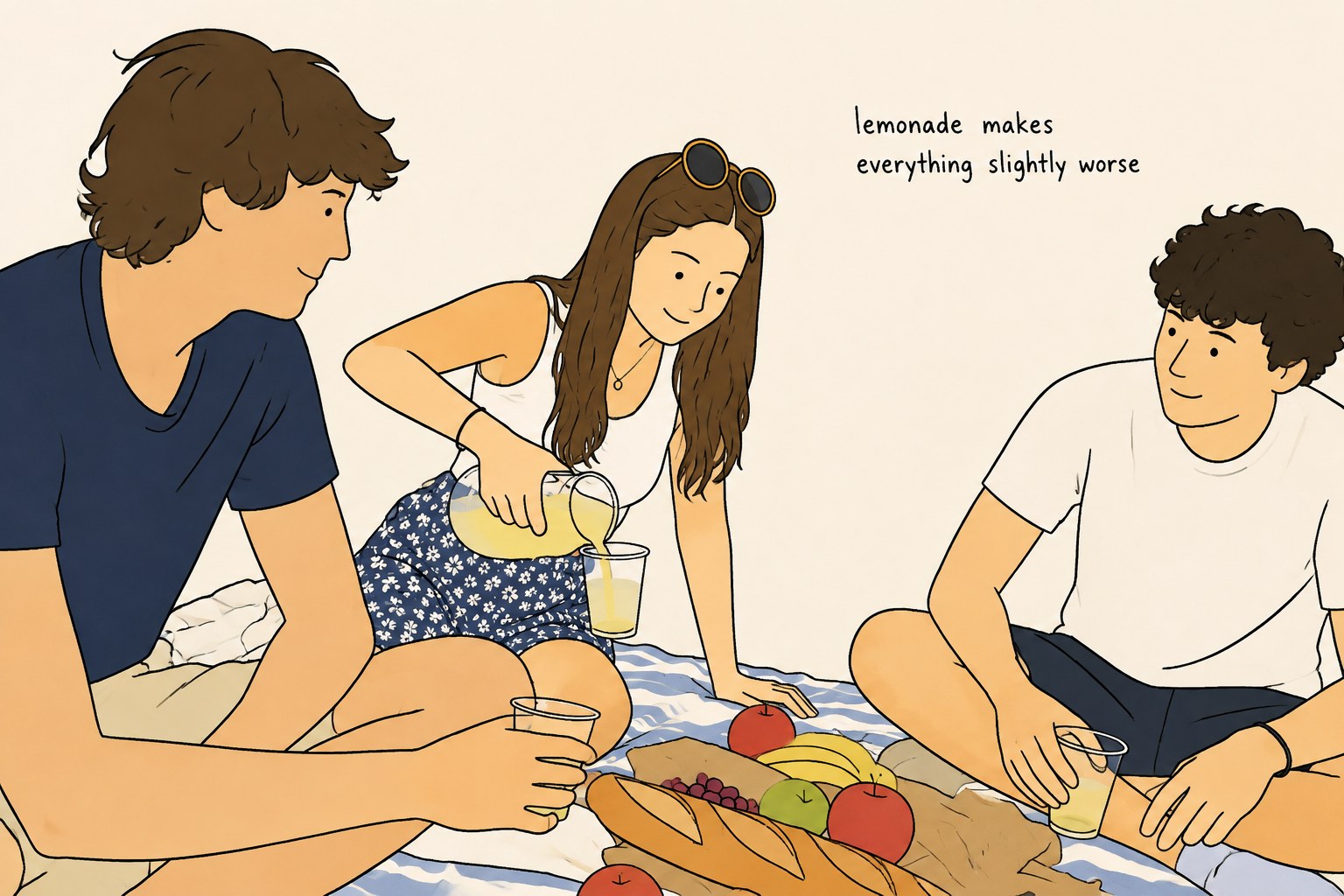
Where this style came from
This one started as somebody else’s work. The upstream is an open-source skill for redrawing photos as flat alt-comics — the kind of quietly absurd, emotionally flat illustration that reads like a single panel torn out of an indie comic where nothing much happens.
What we changed was mostly the parts that break. The original was an agent workflow: four steps of looking at the image, passing file paths around, and handing results back. None of that survives here, because our pipeline hands the model your photo directly — the workflow scaffolding was solving a problem we do not have.
The parts we rewrote were about text. The original asked for a handwritten line but said nothing about spelling, and image models are famously bad at lettering — a smudged or misspelled caption ruins an otherwise clean panel, and there is no way to fix it after the fact. So the text section became an explicit instruction to read the photo first and write about something visible in it, with a hard no-typos rule attached. We also found three leftovers from whatever the original author had actually been making — a Mother’s Day theme, a greeting-card phrase, and an oddly specific ban on coffee references. The first two we folded into a general cliché ban. The coffee one we kept, on the theory that it was probably load-bearing.
The last change was to quantify what “leave lots of empty space” means. Vague amounts get ignored; 30–50% of the canvas does not. That single substitution did more for the finished look than anything else we touched.
It went out after one round of testing across eight photos — portraits, food, a street cat, a lake, a cathedral. Flat styles like this one are unusually well-behaved: because the instruction is to remove detail rather than add it, there is much less room for the model to invent something that was never there.
What is in the prompt
- Shape
- Everything collapses into basic forms with slightly awkward proportions. Faces get dot eyes and a small mouth — no expression to speak of.
- Color
- Solid flat fills, sparingly. The palette is pulled from your own photo and then simplified — no gradients, no shading, no texture.
- Composition
- The subject stays where it was and stays central. Background detail is stripped to the minimum, and 30–50% of the canvas is left empty.
- Mood
- Deadpan and observational. The humour comes from treating an ordinary scene far too seriously — never slapstick, never cute, never meme-like.
- Text
- It reads your photo and writes exactly one lowercase handwritten line about something actually visible in it. Dry, matter-of-fact, and deliberately not that funny.
- What it refuses
- No new people or objects that were not in your photo, no invented storyline, no 3D, no anime, no Pixar gloss, no polished vector look.
The full production prompt is built into generation and is not published.
Take the prompt with you
A distilled public version of this style. Paste it into any image model and swap {subject} for your own scene.
A minimalist flat-color alt-comic illustration of {subject}. Everything is reduced to basic shapes with slightly awkward proportions and simple uniform hand-drawn linework; people get dot eyes, tiny mouths and neutral expressions. Solid flat fills in a simplified palette — no gradients, no shading, no texture. The subject sits clearly central with 30-50% of the canvas left empty and the background stripped to minimum context. Mood: deadpan, dry, quietly absurd — the humor comes from treating an ordinary scene far too seriously. Add exactly one short lowercase handwritten English sentence in an empty area: matter-of-fact, slightly absurd, about something actually visible, deliberately not too funny. No 3D, no anime, no cute cartoon gloss, no polished vector look.
Example subject: a cat sitting inside a laundry basket while someone folds towels
Good for / not for
Works well
- Everyday snapshots with one clear subject
- Objects, desks, food, still life
- Street scenes and quiet architecture
- Single portraits where the pose reads clearly
Not this one
- Low-light or night shots with no readable shapes
- Group photos — faces reduce to dots and stop being anyone
- Photos that already contain signage or captions
- Images where the appeal is texture or detail rather than form
Common questions
Will it change the people in my photo?
It redraws them, but it will not change what they are doing, add anyone, or invent a new scene. Faces become minimal by design — dot eyes, a small mouth — so this style is not the one to pick if you want someone to stay recognisable.
What does the handwritten line say?
It is written fresh for your photo each time, in lowercase English, about something actually in the frame. You cannot set it yourself in this style — the dryness depends on it being observed rather than supplied.
What aspect ratio do I get?
Choose original (the default), 3:4, 4:5, 1:1, 9:16, 4:3, 16:9 or 2.35:1. The layout adapts to your selected canvas.