Image Distill
Scene distillation zine
Keep the feeling; redraw the whole scene as paper and ink
- Ratio
- Original, 3:4, 4:5, 1:1, 9:16, 4:3, 16:9 or 2.35:1
- Options
- Color mode, Note language
- Origin
- Distilled from an open-source GitHub skill · Zeejay0/gathered-scenes-zine-skill
Each generation costs credits — see your balance in My space.
Create with this styleSamples
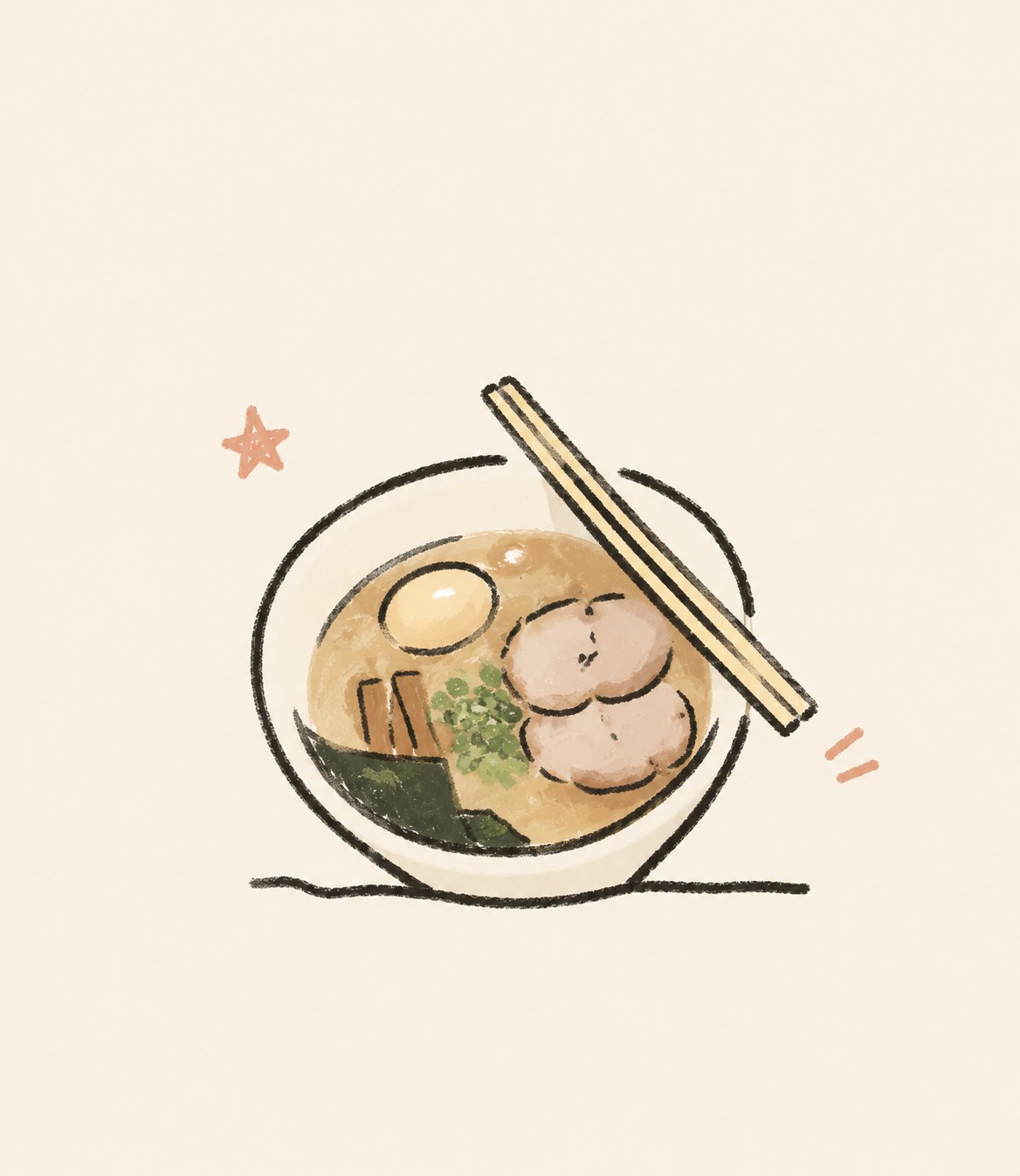
Real generations, not mockups.
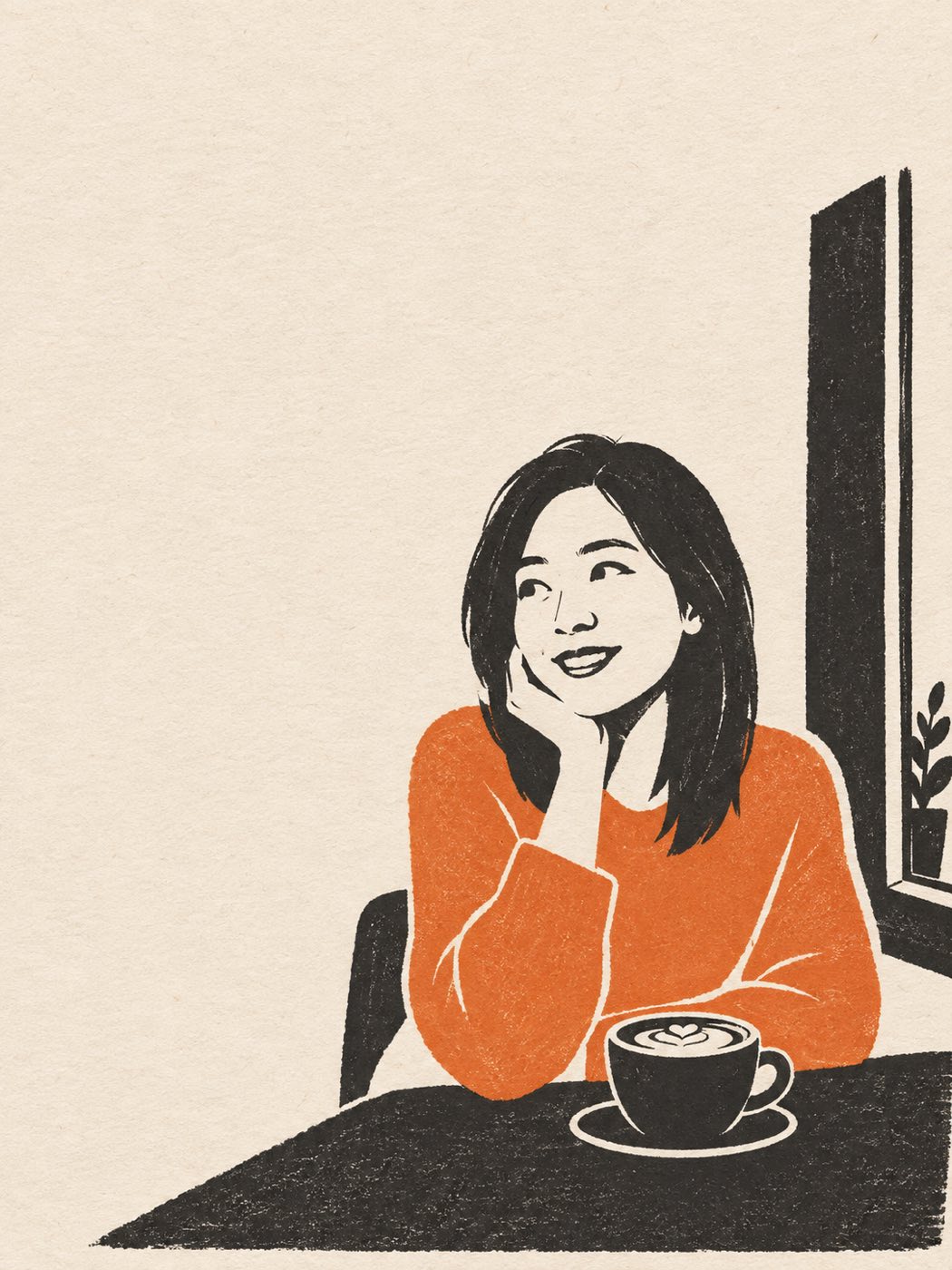
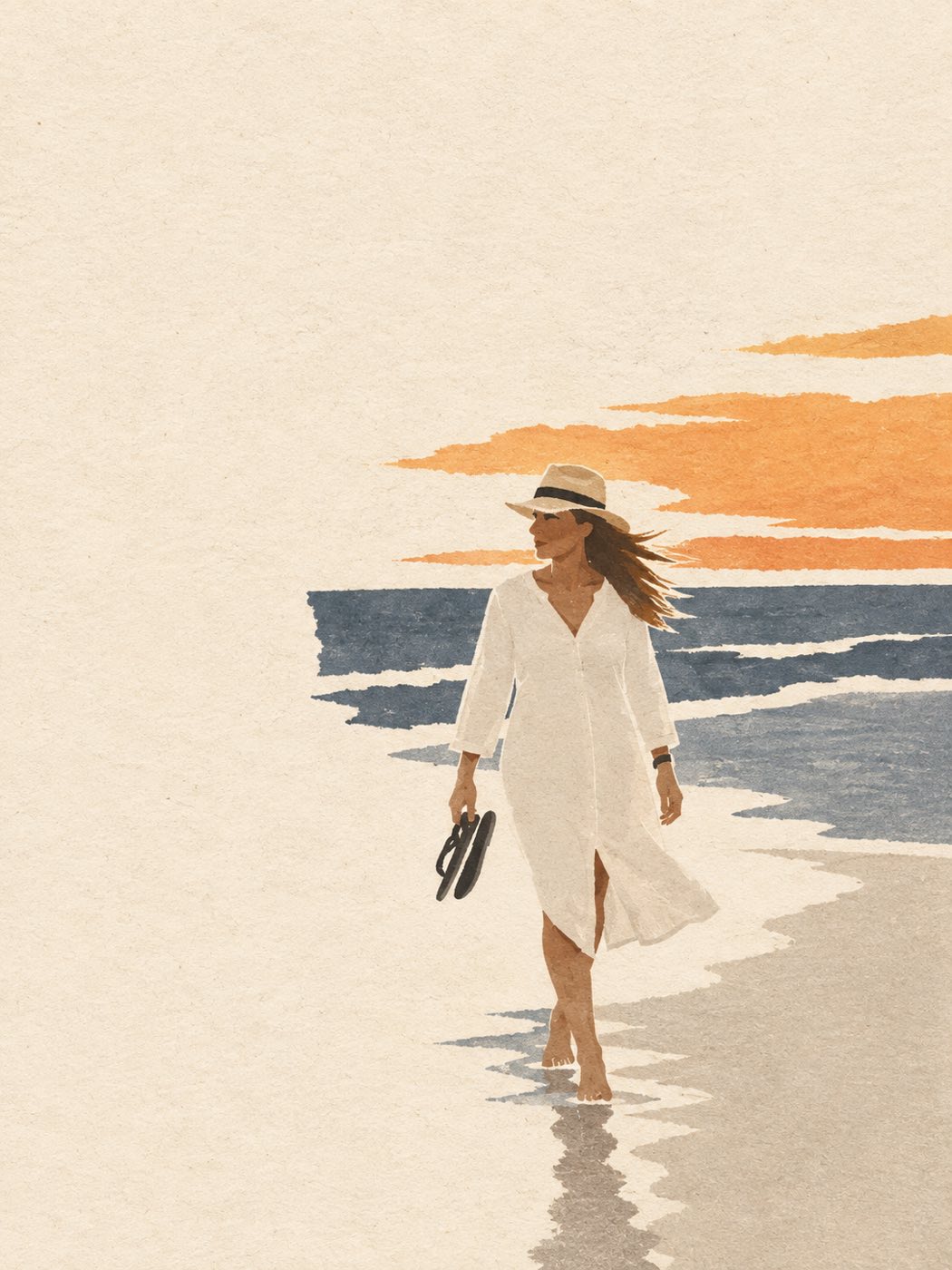
Where this style came from
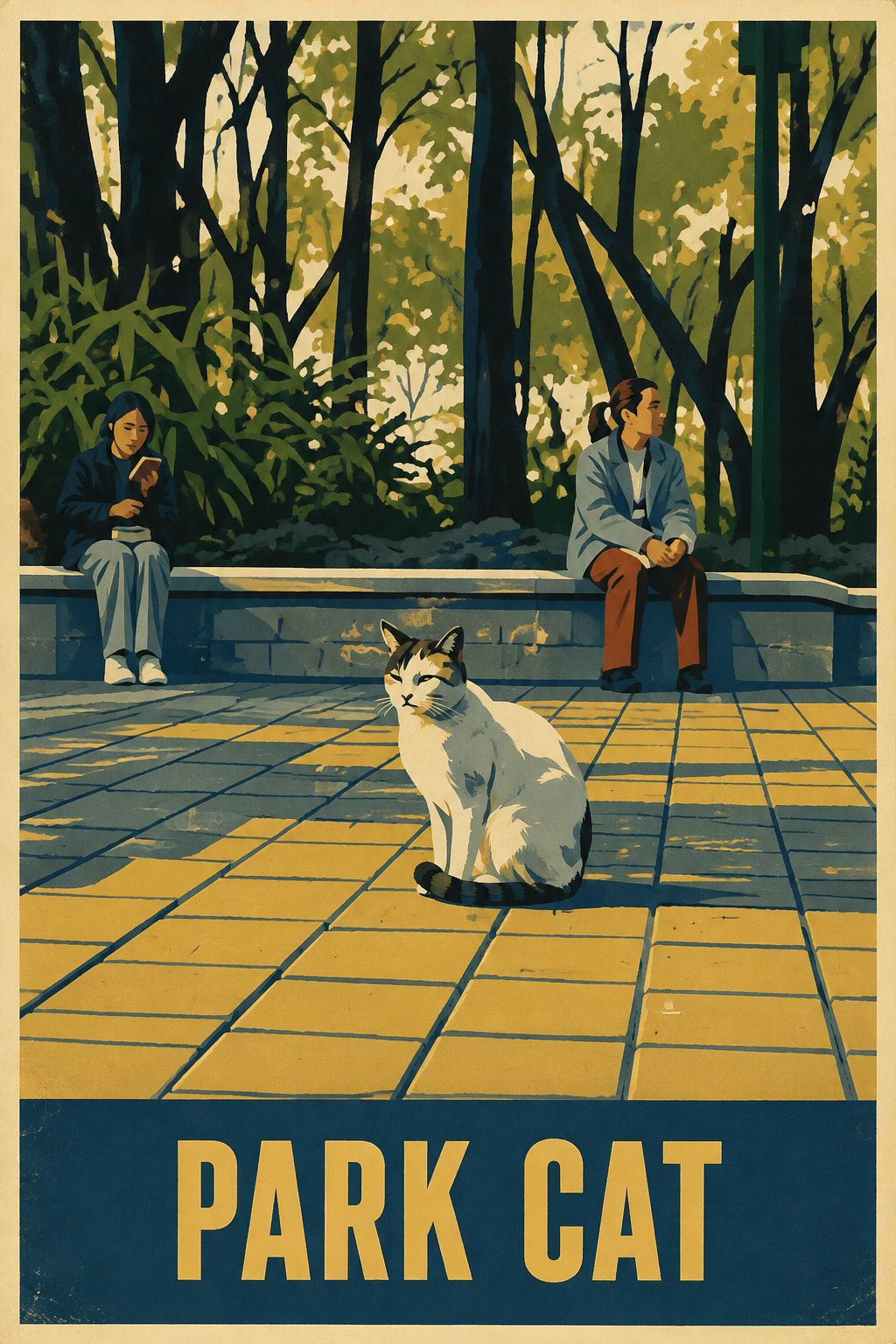
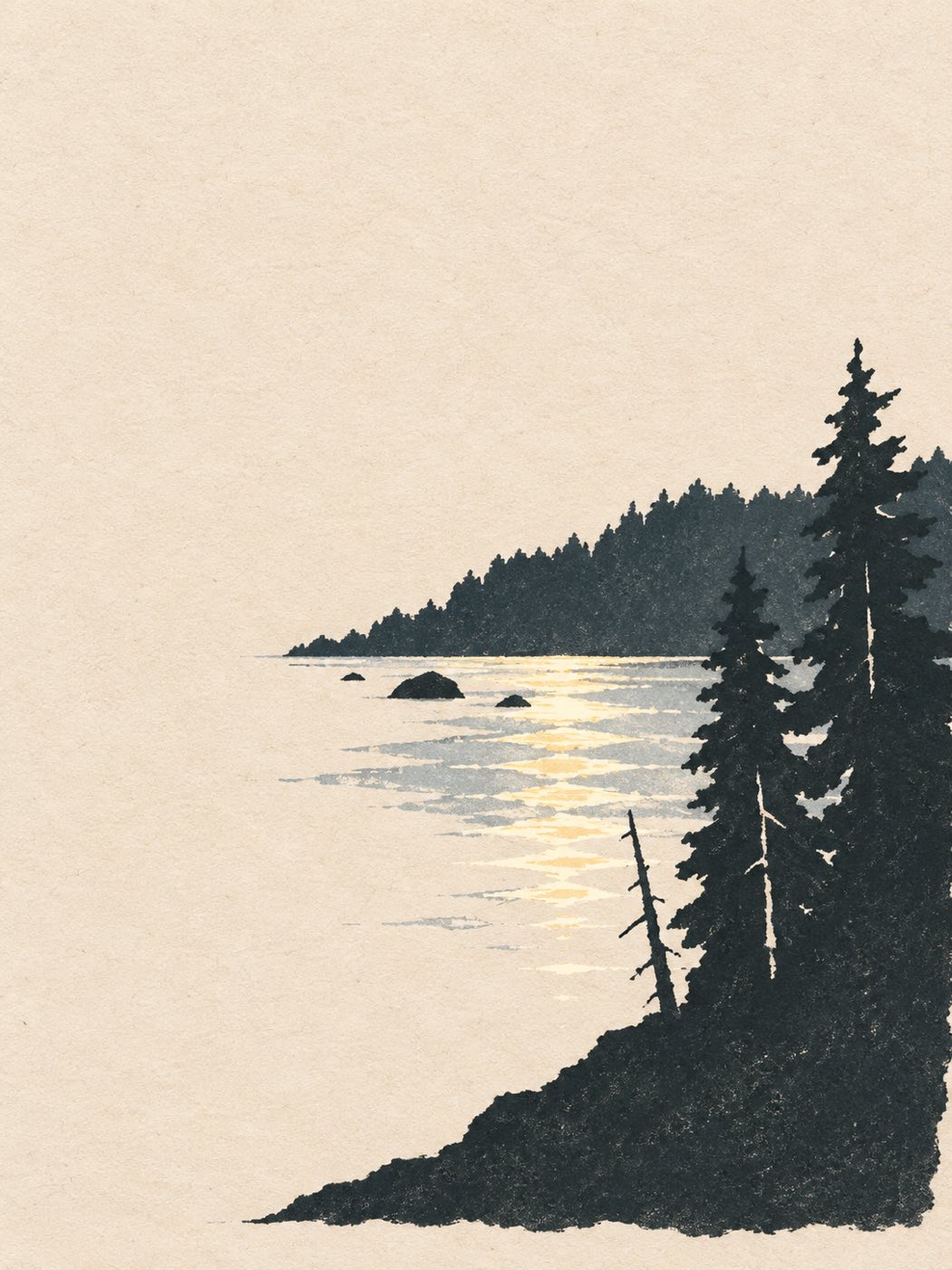
A photograph may contain hundreds of small facts, while the memory of it holds only two or three. A dark mass surrounds a bright opening. One figure waits across an interval of empty space. A line of water passes between trees. This style begins with that compressed relationship and makes an original paper illustration from it.
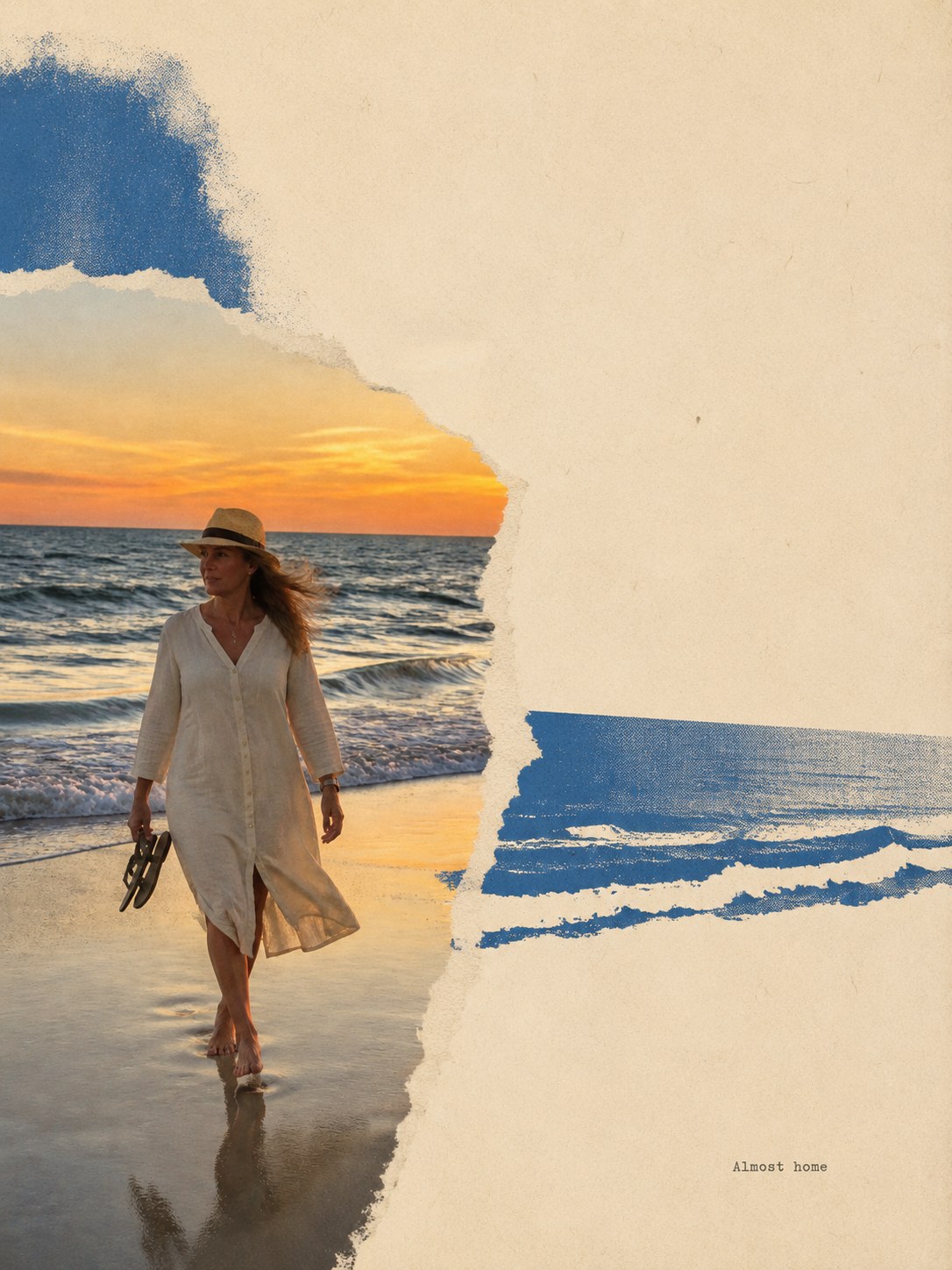
The source is Zeejay0’s Scene Distillation Zine workflow, now in the gathered-scenes-zine-skill repository beside its photographic collage counterpart. The difference matters: this version retains no photographic region. Shapes may change scale or move apart, and facial likeness may become general, as long as the central relationship still comes from the source.
We bring the workflow into a single image-generation task with a separate scene-analysis instruction. The analysis identifies a small anchor set, an emotional tension and a color decision. The rendering prompt turns them into broad forms rather than a detailed scenic copy. A forest should become a mass, not thousands of tiny needles.
Standard accent mode lets a little saturated color direct the eye. Single color field instead uses one connected saturated shape against neutral ink. The website also offers an explicit text-language choice, narrowing the upstream workflow’s unrestricted typography to no text or one short readable fragment. This makes the output easier to use as a quiet standalone image while leaving the composition free to reinterpret the photograph.
What is in the prompt
- A specific idea
- Keep a few source relationships and turn one of them into a visual tension through scale, direction or distance.
- A handful of forms
- Dense scenery becomes a small cluster of broad shapes. Photographic material never appears in the result.
- One color system
- The default uses a small saturated accent. Single color field gathers all saturation into one connected shape with neutral marks elsewhere.
- Silence or a short fragment
- Choose no text, a short English fragment or a short Chinese line. Text follows the source mood rather than naming a place or inventing a quotation.
The full production prompt is built into generation and is not published.
Take the prompt with you
A distilled public version of this style. Paste it into any image model and swap {subject} for your own scene.
Reinterpret a photo of {subject} as an expressive minimal paper zine illustration. Keep only a few source anchors and one meaningful emotional relationship. Rebuild the scene from a handful of broad cut-paper masses and broken ink contours, surrounded by expansive warm paper. Use scale, distance or interruption to express one central tension. Keep most marks neutral and add one purposeful high-chroma accent derived from the source. Default to no words. Never embed, trace or retain photography; avoid dense foliage detail, literal scenic illustration, stock symbolic props, cute characters and scrapbook decoration.
Example subject: a reflective lake between dark trees
Good for / not for
Works well
- Landscape, weather and quiet spatial relationships
- A single expressive gesture
- Photos whose mood matters more than small details
Not this one
- Keeping a recognizable photograph in the output
- Exact facial likeness or factual architectural detail
- Dense captions and commemorative information
Common questions
How does it differ from Gathered scenes zine?
Gathered scenes keeps a photographic anchor. This style redraws everything and preserves only a small set of semantic and emotional cues.
What does Single color field change?
It puts the saturated color into one connected form. All remaining outlines, texture and text use neutral ink, without separate colored echoes.
Can it add text?
Yes. Choose English or Chinese for one short original fragment. No text is the default; the wording is chosen from the photo’s visible cues and mood.