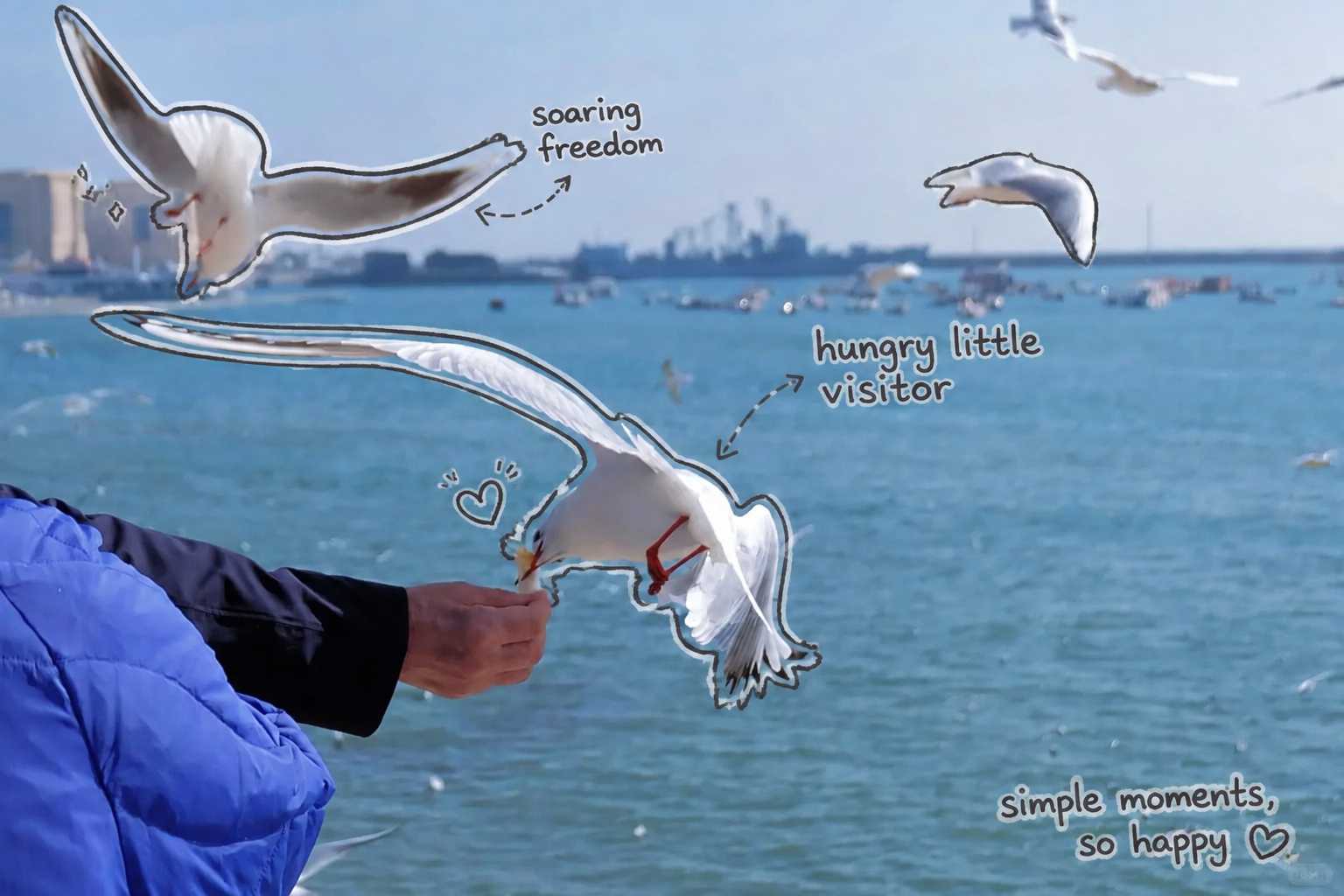
Hand-drawn Notes
Hand-drawn notes
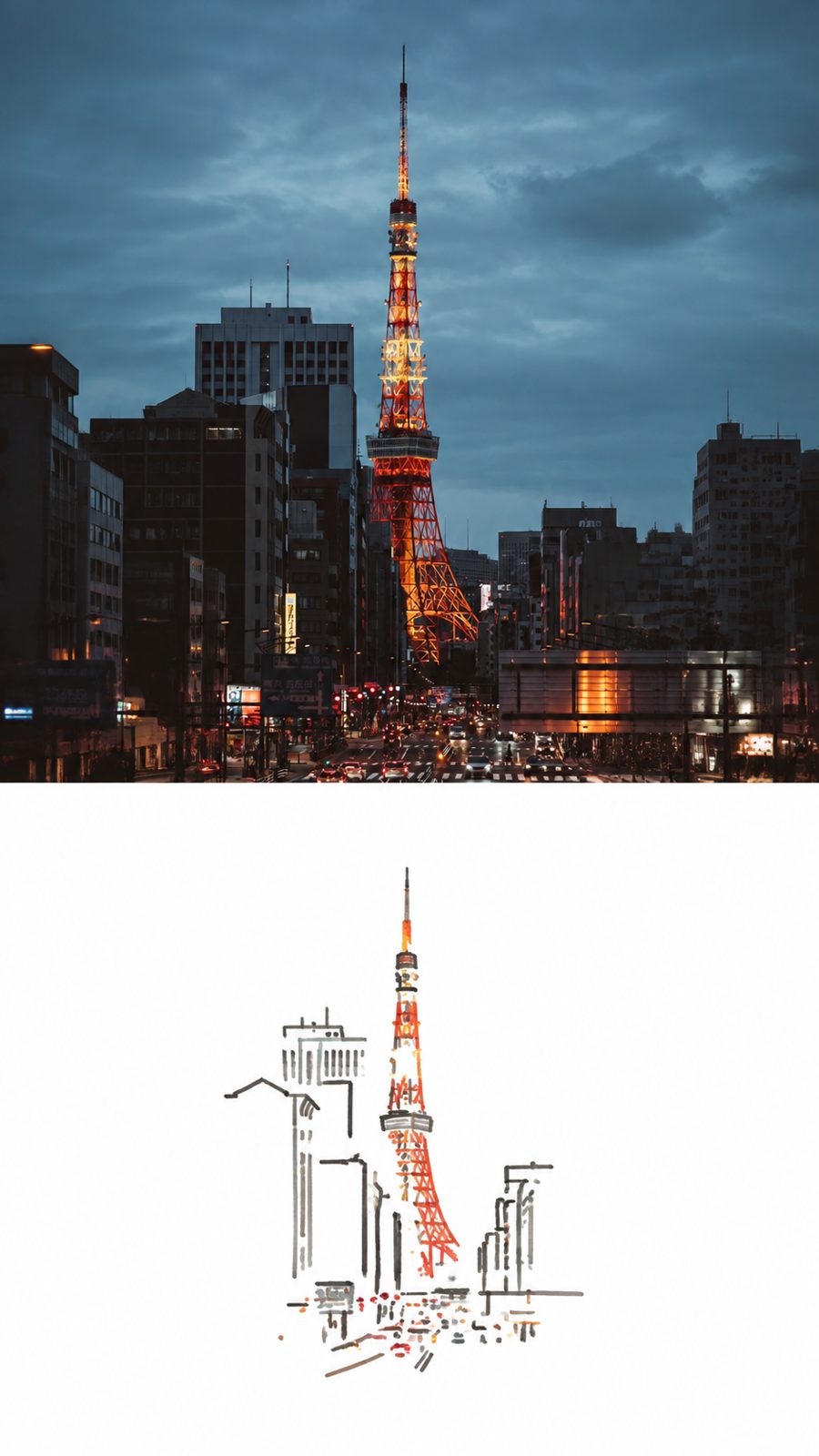
White-pen doodles over the untouched photo
- Ratio
- Original, 3:4, 4:5, 1:1, 9:16, 4:3, 16:9 or 2.35:1
- Options
- Note language, Pen colour, How many notes
- Origin
- Made here
- GitHub skill
- Install for Codex ↗
Each generation costs credits — see your balance in My space.
Create with this styleSamples
Real generations, not mockups.
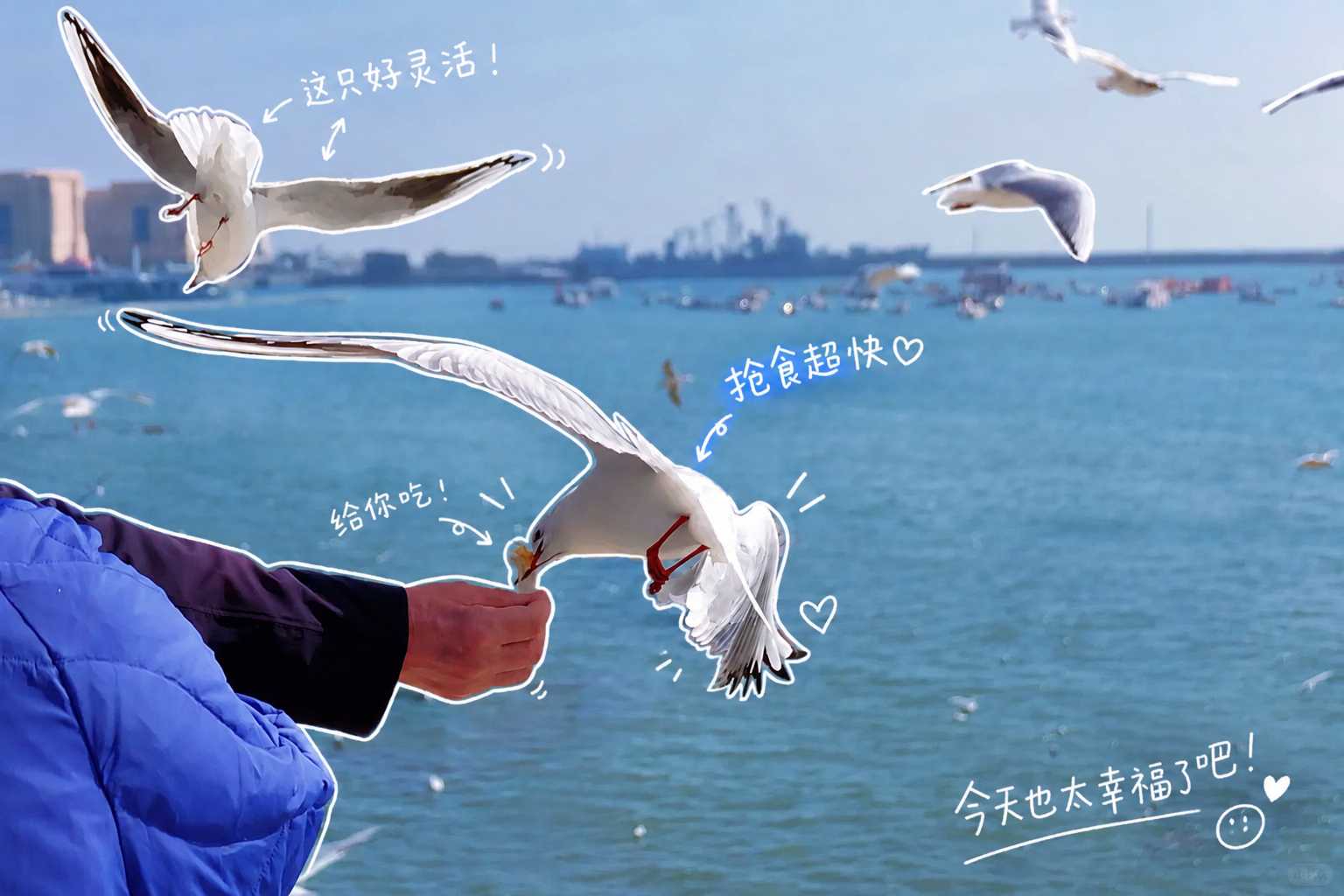
Where this style came from
This was the first style on the site, and it exists because of a complaint about all the others: most photo tools want to redraw your picture, and sometimes the picture is already fine. What is missing is not a new rendering — it is the small thing you would have said about it.
So this one adds and never replaces. A white pen, a few outlines, a handful of short handwritten lines, and the photograph underneath completely untouched.
The hard part was restraint. Early versions labelled everything they could find and came out looking like an exploded-view diagram. The fix was a hard cap — at most three items, one lead and two supporting — plus an explicit instruction that two is better than four. The second fix was the no-smudge rule: image models will happily produce handwriting that looks right at thumbnail size and turns into nonsense up close, so the prompt now says outright that fewer words beat a misspelling.
It predates our style pipeline, so there is no debug log for it — it grew by being the one we used ourselves and kept adjusting whenever it annoyed us.
What is in the prompt
- Picking what to label
- At most three things get labelled — one lead and up to two supporting details. Everything else is left alone entirely. Two is better than four; the frame has to stay quiet.
- Line work
- Thin white pen strokes with a hand-drawn wobble, outlining only the chosen items. Each label gets an arrow or dotted lead pointing at what it refers to. Where the photo is too bright for white to read, the line picks up a hairline dark edge.
- What the notes say
- Short muttered-to-yourself lines, under about ten characters each — a diary voice, not a caption voice. One optional summing-up line may sit in a corner. Handwritten look, but every character legible: fewer words beats a smudge.
- Written by category
- What a note says depends on what it is pointing at: drinks get taste and temperature, food gets texture, objects get where they came from, a room gets its atmosphere.
- Decoration
- At most three small marks in the whole image — steam lines, a star, a heart — and only near something already labelled. No borders, no filters, no change to the photo tone, no watermark.
The full production prompt is built into generation and is not published.
Take the prompt with you
A distilled public version of this style. Paste it into any image model and swap {subject} for your own scene.
A casual snapshot of {subject}, kept completely photographic — original lighting, colors and composition untouched — with a layer of hand-drawn annotation doodles on top. Thin white gel-pen lines trace the outlines of at most three chosen elements, each with a small arrow or dotted line leading to a short handwritten diary-style caption in casual Chinese, plus one summary line tucked into a quiet corner. Up to three tiny decorations only — steam lines, little stars, a heart — kept near the annotated elements. Lines look hand-sketched and slightly wobbly, large areas stay clean, and the photo itself is never repainted or filtered.
Example subject: a cafe table with an iced latte and a slice of basque cheesecake
Good for / not for
Works well
- Cafe tables, food and drinks
- A new object you want to say something about
- Rooms and corners with an atmosphere worth naming
- Photos you like as they are and do not want redrawn
Not this one
- Busy frames where nothing is clearly the lead
- Photos that are already full of text or signage
- Very dark images — white ink has nothing to sit on
- Anything where you want the photo itself transformed
Common questions
Does it change the photo?
No. This is the one style that adds a layer on top and leaves everything underneath alone — same people, same light, same colours, same composition. If you want the photo itself redrawn, pick a distill style instead.
Can I choose the language and the pen colour?
Yes. This style exposes three options — the language the notes are written in, the pen colour, and how many notes you want. The English page defaults to English notes and the Chinese page to Chinese ones.
Why does it only label three things?
Because four is where it stops looking like a note and starts looking like an infographic. The cap is deliberate and it is not adjustable — the density option changes how much each note says, not how many things get outlined.